
Summer brings a vibrant burst of life to your gardens. It’s the time when birds become most active as they forge for food, build nests, and care for their young. However, feeding birds in summer presents some unique challenges. As the sun shines brightly, bird seeds will spoil faster and the summer heat will accelerate the growth of mold or bacteria in the feeders. So, in today’s blog, we’ll introduce some tips for effectively feeding birds during the hot summer seasons.

Benefits of Feeding Birds in Summer
Summer feeding can attract a wide range of bird species, including colorful songbirds and those not seen during other seasons. Adult birds often need extra food to feed their chicks. Providing readily available food can help reduce the energy they expend foraging. In fact, bird feeding is mutually beneficial. Birds help control garden pests by eating insects and larvae, benefiting your plants. Some wild birds can even act as pollinators or help with seed dispersal. Moreover, watching and listening to birds has been shown to reduce stress and improve overall mental well-being.
6 Tips on Feeding Birds in Summer
Here are some bird feeding tips to keep in mind during the warmer months.
1.Provide Fresh Water
One of the most important things you can do to attract birds during the summer is to provide a fresh source of water. Birds need water for drinking, bathing, and cooling down, especially during the hot and dry months. Set up bird baths in shaded areas to keep the water cool. Ensure the water is shallow (no more than 2-3 inches deep) to make it accessible for all birds. Make sure to change the water in your bird bath or fountain regularly to prevent the growth of harmful bacteria. You can also consider installing a mister or dripper to create movement and attract more birds to your yard.

2.Offer a Variety of Foods
During summer, birds have different nutrition needs compared to other seasons. They require high-protein foods for molting, breeding, and raising their young. You can change the types of food you offer regularly to meet the varying needs of different bird species. Though bread seems like a good choice for many, it has little nutritional value and can be harmful to birds if molds. And, here are our recommended foods:
- Seeds: Offer a variety of seeds such as sunflower seeds, safflower seeds, and nyjer. These are high in protein and energy.
- Insects: Mealworms, crickets, and other insects are excellent protein sources. They mimic the natural diet of many bird species during the summer.
- Fruits: Fresh fruits like apples, oranges, bananas and berries provide hydration and essential vitamins. Raisins, currants, and other dried fruits can be soaked in water overnight to rehydrate them before offering them to the birds.
- Nectar: For hummingbirds and orioles, offer nectar made from a simple solution of four parts water to one part sugar. Avoid red dye as it can be harmful to birds.

3.Consider the Timing
The best times to feed birds in the summer are early in the morning and late in the evening when temperatures are cooler. Avoid putting out food during the hottest part of the day, as it can spoil quickly and attract unwanted pests. Birds are also more active during these cooler times, so you are more likely to see a variety of species visiting your feeders.

4.Keep Feeders Clean
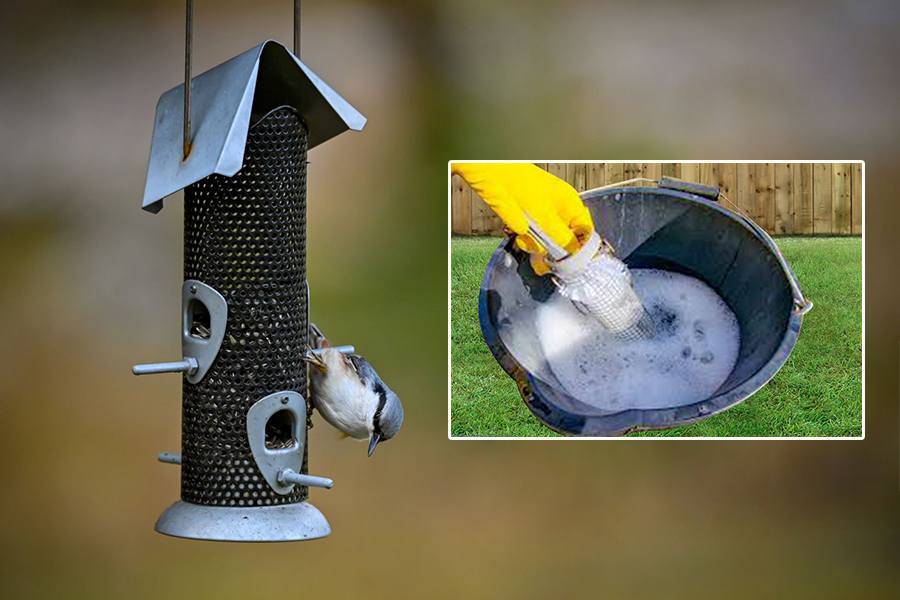
With the heat of summer, it is especially important to keep your bird feeders clean and free of mold and bacteria. Regularly cleaning feeders with hot, soapy water and scrubbing out any old or spoiled food can help prevent the spread of disease among the birds visiting your yard. In hot or wet weather, you should at least clean feeders at least once a week. To fully sanitize the bird feeders, use a solution of one part bleach and nine parts water for disinfectation. You can also consider using multiple feeding stations to prevent overcrowding and reduce the chances of contamination.
5.Provide Shade or Shelter
Birds can easily overheat in the hot summer sun, so it is important to provide shade and shelter around your feeding area. Placing feeders near trees or shrubs can offer birds a place to cool off and hide from predators. You can also set up a birdhouse or nesting box for birds to seek refuge during extreme weather conditions.

6.Be Mindful of Predators
While feeding birds can be a rewarding experience, it’s crucial to be mindful of potential predators in your area. Cats, hawks, and other animals may be attracted to your feeding area, so make sure to keep an eye out for any signs of danger and take steps to protect the birds visiting your yard. Placing feeders at varying heights and using baffles or cages can help deter unwanted visitors. Squirrels are extremely active in summer and may raid the feeders. To prevent that, you can invest in squirrel-proof bird feeders or place baffles below or above the feeders.

When to Stop Feeding Birds?
Feeding birds in summer can be rewarding. However, knowing when to stop is crucial for both the health of birds and the maintenance of your garden. Generally, the best time to stop feeding birds is in late summer to early fall when natural food sources become more abundant. Many birds start their migrations as early as late summer. During this time, you’ll notice a drop in the number of birds visiting your feeders. It’s a good sign to reduce the amount of food you provide. Rather than abruptly stopping, you can reduce the quantity by 25% each week. Once you see bird visits significantly decrease, you can stop refilling the feeders altogether.
Should I Consider Feeding Year-Round?
Year-round feeding attracts a variety of bird species. It can be very educational for both children and novice birdwatchers to learn about different birds. However, there are several factors you should consider. Year-round feeding is not an easy job. You need to adjust the type of food and feeders based on the season. In addition, feeding year-round can attract non-target wildlife like squirrels, raccoons, and even bears, so pest control is very important. But if you’ve set your mind, it’s not bad to give it a go!
